I think therefore AI · essay
"The Future of AI: User-Centric and Explainable. Why Product Managers Hold the Key to Success"
Christophe Pennetier ·
Original publication on LinkedIn ↗
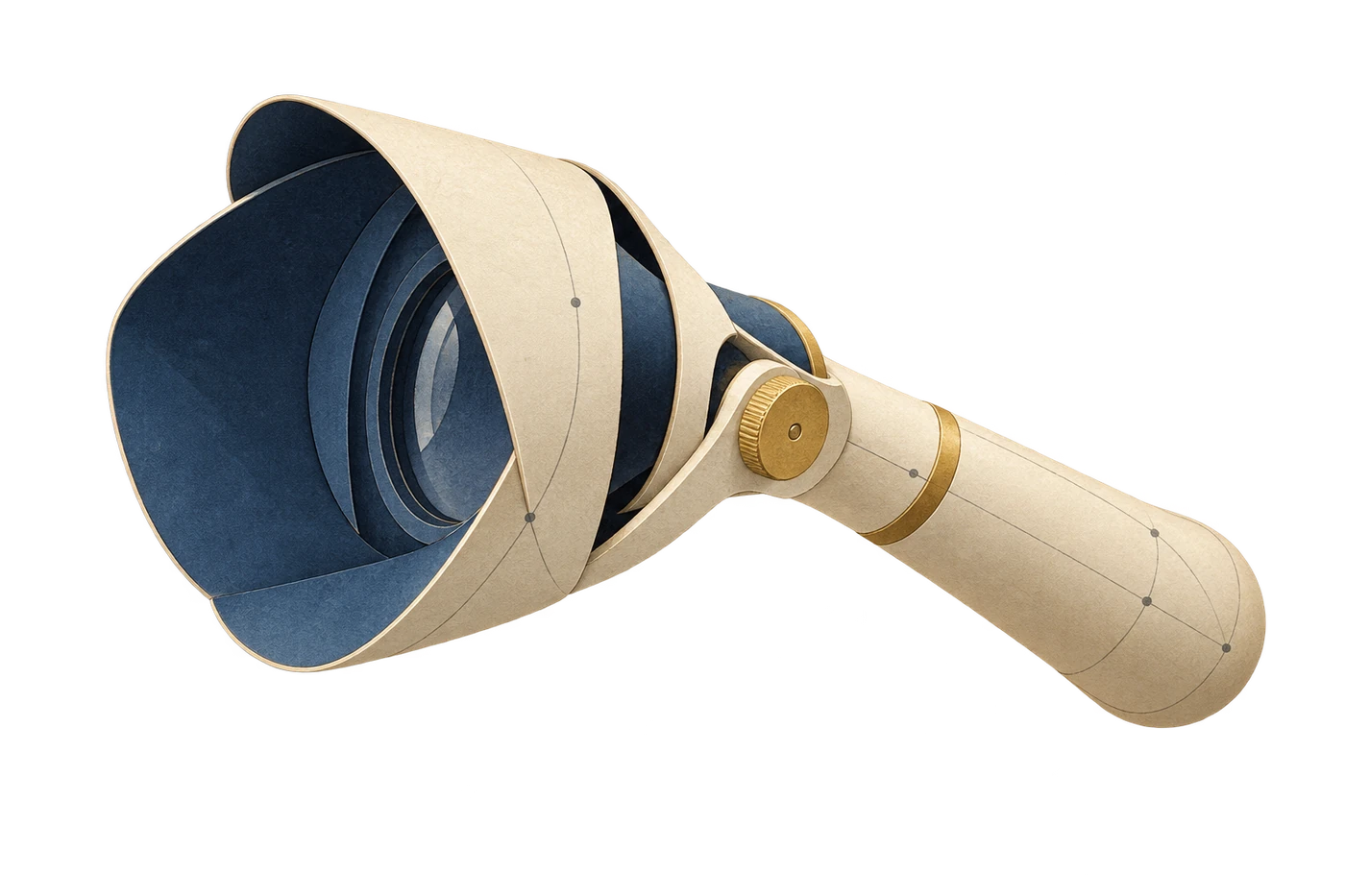
Original cover caption: AI is still in teenager stage... requiring much care and attention!
Artificial Intelligence (AI) has hit a Gladwellian tipping point, thanks to OpenAI's hashtag#chatgpt, and the world is now on the brink of a "social epidemic." It's an exciting and inspiring time, but also a little scary as people contemplate the Terminator-like scenarios of machine takeover. But fear not; the revolution is upon us, and the potential for AI is immense.
As Quincus VP of AI Science and Research, I anticipate the future and pioneer new ideas. My days are filled with generating a vast array of concepts, scenarios, and prototypes, only to toss most of them out and keep the most promising ones. So, I use my mathematics and machine learning (ML) expertise to create user-centric products that blow people's minds (wow effect) and eliminate obstacles (phew effect). Said differently, it's my job to ensure that we develop AI in a user-centric and ethical way.
Now that language models and transformers have captured the spotlight (or should I say attention) they were intended for, and the general public has seen the might of intelligent agents from the "reinforcement learning (hashtag#rl) crew," the question remains: how can AI become our trusted sidekick in daily life and help us improve? Even more critical, who will lead the charge?
Hold on to your hats because the future of AI will be user-centric, or it won't be at all! This isn't just some run-of-the-mill prediction; it's an André Malraux-inspired prophecy that puts the fate of AI squarely in the hands of product managers—a daunting task, to be sure. But before we get ahead of ourselves, let's answer the question on everyone's minds: what is the role of AI?
The role of AI: Augmenting people, freeing them from routine tasks, and empowering them to excel.
Forget what you've heard about machines rising and bringing about the end of days—I will stand with Yann LeCun here. AI's potential lies in two key elements. First, AI is only as good as the algorithms used to create it. Humans design them, meaning we can shape them and eliminate biases. And let's not forget that the technology behind hashtag#chatgpt has been evolving for the last six years, building on the progress of the past 20-30 years. So there is time and history to make it right.
Second, for AI to become truly mainstream, it must augment our abilities and be explainable. That's right; hashtag#explainability is the key to unlocking AI's full potential and avoiding the fear of the "black box." Luckily, with mathematics and data analysis at our fingertips, we can expose all the secrets hidden within the data and monitor the training and serving of all ML models in real time. It's time to demystify AI and let it do what it was designed to: improve our lives!
Let's face it: designing AI models to enhance human performance isn't rocket science. It's a matter of conscious and intentional decision-making. As someone who has spent fifteen years immersed in the world of hashtag#designthinking and hashtag#usercentric hashtag#innovation, I know firsthand the power of empathetic design. By working with extreme users, those with the skills and expertise to take an object and transform it into something new and exciting, we can create AI-driven products that genuinely augment human abilities. After all, why should we force users into a rigid pattern of tasks when they have the potential to break the mold and achieve greatness? When we develop an ML-driven product, we must put the users' expertise and skills at the forefront. We must empower them to break free from mundane, routine tasks and focus on their primary objectives. Our AI products must be explainable and designed to elevate human performance. Now, the question remains: who is best suited to lead the charge in the tech industry and pave the way for AI innovation?
A new kind of hashtag#productmanager : Researcher at heart, empathetic, and able to reconcile different conceptions of time
Thankfully, I've donned many hats in the design of machine learning products—and even taught others to wear them too. And I'm here to tell you that the product managers (PMs) must lead the charge when unleashing AI's power. But not just any product manager will do. You see, machine learning possesses three distinct characteristics that set it apart:
- It's unpredictable and uncertain
- It's evolving at a lightning-fast speed
- It relies heavily on users as partners to shape it.
Beta versions of AI products are far more raw and fragile than your typical Minimum Viable Product (hashtag#mvp). So, if you want to ride the AI wave to success, you'll need a special kind of product manager at the helm.
Understanding machine learning research's dynamic and rapidly evolving landscape is crucial for any product manager looking to design ML-driven products. As a PM, you don't need to be a researcher, but you should deeply understand various models' underlying mechanisms and limitations. You should be able to connect the dots between different fields and use analogies to find innovative solutions to complex problems. You should also be able to translate user needs into research insights and feed them back to the scientists so they can stay grounded in reality and produce more impactful work.
One company that has made significant strides in PMing AI is Google, particularly with its hashtag#coreML initiative. By combining all its AI resources in a cohesive and aligned way, Google has set itself up for success in the AI race. As more and more companies invest in AI, having a strong and capable PM who can navigate the complexities of machine learning research will be crucial for staying ahead of the competition.
ML-driven MVPs are often insufficient and require significant data, hyperparameter tuning, and multiple algorithm versions to improve. Sarcastically, they are like the awkward teenage phase of AI products—they may not be the best-looking or most functional. Still, they have the potential to blossom into something beautiful with the proper care and attention.
For ML products, the overemphasis on the minimum aspect of the MVP concept undermines its viability, making it crucial for product managers to establish strong partnerships with users and potential clients. When users purchase and use an ML product, they're not just buying a tool but becoming a partner in its development. They help the product grow and evolve to its full potential by providing feedback and sharing data. Using an ML product is a leap of faith for users and a daunting challenge for scientists. Let's be honest; it's not just a walk in the park for the scientists behind the product either. It's a Sisyphean task - constantly pushing that boulder uphill, refining and improving the product with each iteration. Therefore, PMs must anticipate this challenge from the outset and prioritize the user experience in their ideation process.
The future is now, and the possibilities are endless
Artificial Intelligence is becoming an essential aspect of daily life, and AI products must be developed in a user-centric and ethical way. The role of AI is to augment people, free them from routine tasks, and empower them to excel. For AI to become truly mainstream, it must be explainable, which is the key to unlocking its full potential and avoiding the fear of the "black box." A new kind of product manager, a researcher at heart, empathetic, and able to reconcile different conceptions of time, is best suited to lead the charge in the tech industry and pave the way for AI innovation. As more and more companies invest in AI, having a strong and capable product manager who can navigate the complexities of machine learning research will be crucial. We can create AI-driven products that augment human abilities by working with extreme users and empowering them to break free from mundane, routine tasks. It's time to demystify AI and let it do what it was designed to: improve our lives!